
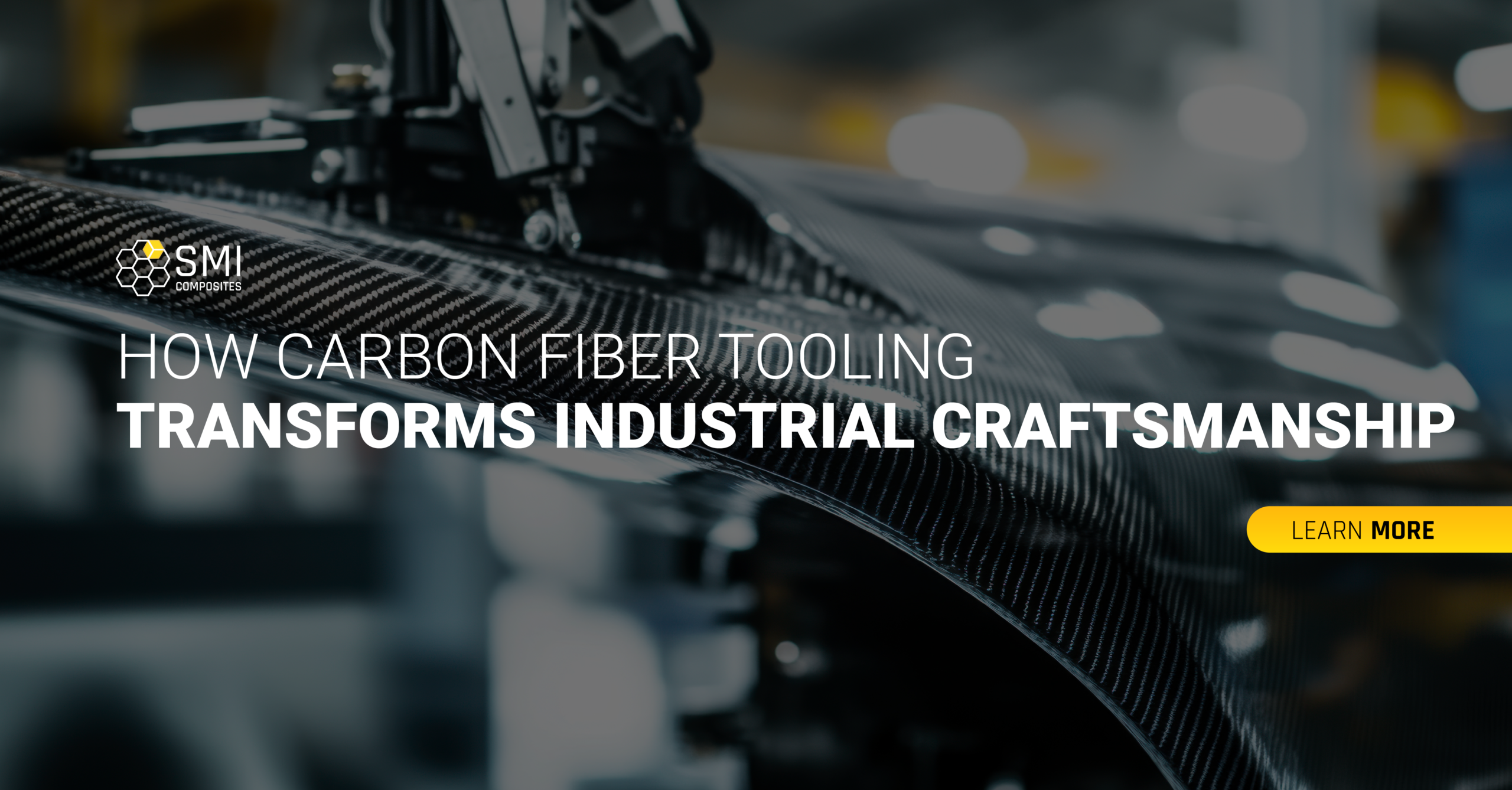
Carbon fiber tooling allows you to use molds and tools to shape composite parts. Carbon fiber is stronger and more durable than many metals while being a fraction of the weight.
Since its invention in 1958, carbon fiber has fully revolutionized our industry. As industries evolve, so does the demand for more effective, efficient, and innovative manufacturing techniques.
At the forefront of these techniques is carbon fiber tooling, a game-changer that shapes the future of manufacturing. If you’re curious about composite tooling materials, we’re here to help. Read on to learn more about advanced manufacturing tools and how carbon fiber is leading the charge.
The Significance of Carbon Fiber Tooling in Manufacturing
Over the past few years, there has been a growing interest in composite tooling materials, especially carbon fiber. With its high strength-to-weight ratio and exceptional durability, carbon fiber has proven to be ideal for creating advanced manufacturing tools.
But what is it? According to a paper published in Materials Science Research India, carbon fiber is composed of carbon atoms that form a stiff, strong, lightweight bond. It’s described as having the traits of steel and the weight of plastic.
Unlike traditional materials that often add unnecessary weight, carbon fiber offers lightweight tooling solutions that enhance productivity while reducing energy consumption.
Carbon fiber tooling is lauded for its industrial craftsmanship while also providing a more durable, high-quality product. This shift not only benefits manufacturers but also consumers who enjoy better-quality products at reasonable prices.
Practical Applications
The applications of carbon fiber tooling are vast and varied. From aerospace to automotive and even medical devices, industries are rapidly adopting this advanced technology.
By incorporating advanced manufacturing tools, these companies can streamline their processes and deliver results in record times.
A notable example is the production of aircraft wings and fuselages, where carbon fiber tooling enables manufacturers to achieve intricate designs that would be impossible with traditional materials. The lightweight nature of the material not only improves fuel efficiency but also overall aircraft performance.
What is the Lifespan of Carbon Fiber?
Carbon Fiber can last a lifetime when treated properly. In most cases, carbon fiber lasts decades unless damaged.
Magnets will also not stick to carbon fiber, adding to its convenience. However, it is a great conductor of electricity, so be careful!
The Future
Looking ahead, the potential for carbon fiber tooling appears limitless. As technology continues to advance, we can anticipate new developments in manufacturing innovation that will make these tools even more accessible. With the integration of digital manufacturing technologies, companies will be able to produce custom tooling solutions tailored to specific project requirements, enhancing the versatility of industrial craftsmanship.
Embracing the Future of Carbon Fiber Tooling
The evolution of carbon fiber tooling marks a significant leap in the manufacturing landscape. Its capacity to combine performance with sustainability is not just a trend; it’s a necessity for the future of industry. As manufacturers look to innovate, embracing carbon fiber tooling will undoubtedly play a pivotal role.
At SMI Composites, we’re dedicated to growing and developing our core capabilities while staying at the forefront of advancing tech. We commit ourselves to providing quality and superior customer service. Contact us today to request a quote and see how we can help revolutionize your project.
