
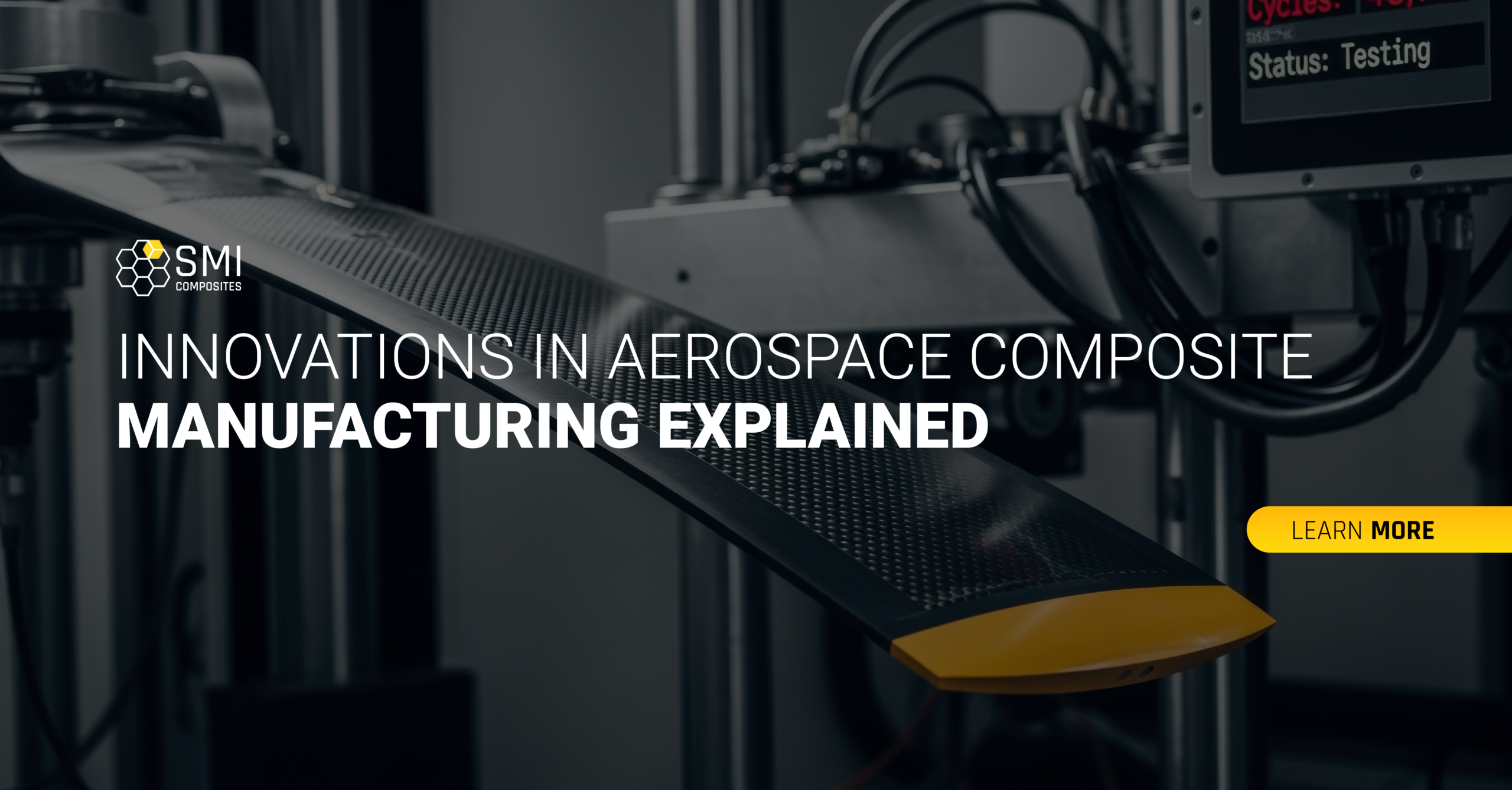
The aerospace industry is witnessing an exciting evolution through technological advancements, particularly in aerospace composite manufacturing. Imagine lightweight, high-strength materials that can significantly enhance aircraft performance and fuel efficiency.
As the demand for improved performance grows, manufacturers are continuously exploring innovative methods to create these advanced composites, and it’s a fascinating journey worth taking. Let’s take a closer look at the topic.
The Importance of Aerospace Composites
Aerospace composites play a crucial role in modern aircraft design. They not only help reduce weight but also improve durability and resistance to environmental factors. This is particularly vital in the aerospace sector, where every pound counts.
Engineers and designers are pushing the envelope by integrating new materials and methodologies to create parts that are both efficient and sustainable.
Innovative Techniques in Composite Manufacturing
In the past decade, several innovative techniques have emerged in the field of composite manufacturing. These advancements amplify the efficiency of the production process and overall product quality. Let’s take a closer look at a few notable techniques:
- Automated Fiber Placement (AFP): This automated method allows for precise placement of fiber reinforcements, enhancing the structural integrity of composite materials aerospace.
- Resin Transfer Molding (RTM): A widely adopted technique that enables enhanced control over the resin infusion process, thereby improving the final product’s quality.
- 3D Printing: This has revolutionized rapid prototyping in aerospace composite manufacturing, enabling the creation of complex shapes with reduced waste.
- Vacuum-Assisted Resin Transfer Molding (VARTM): This method further enhances the infusion process, improving production times and material performance.
Benefits of Cutting-Edge Materials
The benefits of utilizing advanced composite materials extend beyond just performance. They offer:
- Significant weight reduction compared to traditional materials, leading to enhanced fuel efficiency.
- Improved fatigue and impact resistance, ensuring longer-lasting components.
- Greater design flexibility, allowing engineers to experiment with complex shapes and structures.
- Ability to create hybrid composites, combining multiple materials for optimized performance.
Future Trends in Aerospace Composite Manufacturing
As the aerospace sector continues to evolve, so does the technology behind composite manufacturing. Experts anticipate trends such as:
- Increased automation: Streamlining processes will reduce errors and increase efficiency.
- Sustainable practices: A push towards green materials and practices to reduce the industry’s carbon footprint.
- Integration of AI and IoT: Enhanced data collection and analysis will lead to better manufacturing practices and product management.
Embracing Change in a Competitive Landscape
The innovations in aerospace composite manufacturing pave the way for a rapidly evolving industry. By adopting these technologies, manufacturers can meet the increasing demands for high-performance and sustainable aerospace components.
Those committed to unparalleled quality in advanced composite manufacturing lead the charge, focusing on customer satisfaction and continuous improvement.
Unlock Your Potential with Aerospace Composites
For manufacturers looking to stay ahead, investing in these aerospace industry innovations will not only boost efficiency but also ensure a competitive edge. At SMi Composites, we are committed to the highest quality of advanced composite manufacturing, leveraging cutting-edge technologies to meet our customers’ unique needs.
Contact our team today as we move forward with our commitment to excellence in the aerospace industry. We look forward to speaking with you about aerospace composite manufacturing.
