
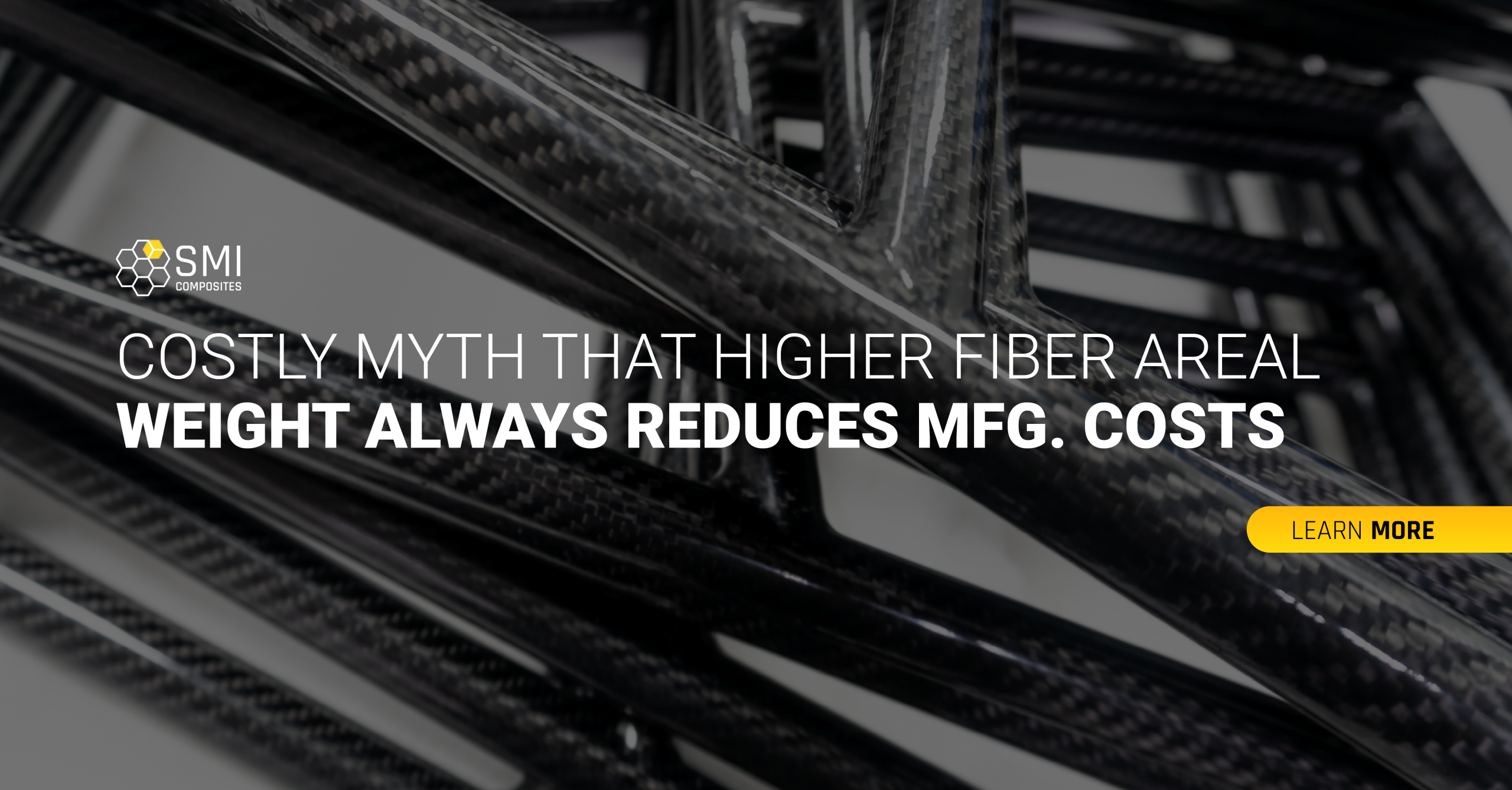
Manufacturers looking to reduce production costs should not assume that heavier prepreg materials automatically deliver better value. In many cases, lighter materials improve layup precision, reduce waste, shorten production times, and lower the risk of defects that require costly rework. Although heavier fabrics can appear less expensive at first glance, total manufacturing costs are often determined by labor requirements, quality control demands, and long-term performance.
The push toward lighter, more efficient composite structures continues to accelerate across multiple industries. According to the U.S. Department of Energy, reducing a vehicle’s weight by just 10% can improve fuel economy by 6% to 8%, highlighting the growing importance of advanced lightweight materials in modern manufacturing. Interested in improving efficiency without sacrificing strength? The answer often lies in selecting prepreg materials that balance weight, durability, and manufacturability.
Analyzing the Fiber Weight Myth
Many manufacturers may initially think that thicker, heavier fabrics with a higher fiber areal weight (FAW) will save money by requiring less material. However, this assumption overlooks several key factors crucial to understanding total costs in composite manufacturing. Both labor intensity and quality control come into play-and here’s how:
- Processing Complexity: Heavier fabrics may require additional steps during manufacturing, adding layers of complexity that can increase labor costs
- Material Waste: Heavier fabrics might lead to higher material waste when misaligned or improperly trimmed, resulting in increased expenditures
- Quality Concerns: As the weight increases, so does the chance for defects, which could lead to costly reworks or product failures down the line
This analysis indicates that the correlation between fiber weight and manufacturing costs is not linear. Manufacturers must consider a range of perspectives before concluding that lighter is always better.
Understanding Quality Implications
Utilizing lighter prepreg materials can significantly enhance the quality of composite parts. For example, lighter fabrics allow for more precise material placement, leading to reduced voids and better mechanical properties in the finished product. The flexibility of lighter fabrics enables a more efficient layup process, improving resin wet-out consistency while ensuring smoother integration into various shapes and sizes.
Cost Over Time: The Bigger Picture
Examining the cost-effectiveness of any manufacturing process requires a thorough understanding of both immediate and long-term expenses. When evaluating fiber weight options, consider how factors like labor and quality will influence costs over time:
- Initial Material Cost: Heavier fabrics may appear to be cheaper initially but involve hidden costs that manifest during the manufacturing process
- Labor Costs: More time spent handling heavier materials often increases structural layup labor requirements and overall production expenses
- Quality Control Costs: Addressing defects or reworks adds financial strains to your final output
Shifting focus to lightweight, high-performing materials can yield substantial savings and enhance overall quality.
Prepreg Materials and Fiber Weight in Manufacturing
Selecting the right prepreg materials requires looking beyond initial purchase prices.
At SMI Composites, we combine innovative engineering, quality manufacturing, and responsive customer service to deliver complete composite solutions. As part of the Mayco Group, we provide capabilities that extend from design and engineering to custom tooling, giving our customers a single source for complex projects. Our experienced team supports both low- and high-volume production while emphasizing transparency, flexibility, and advanced manufacturing expertise across multiple industries.
Get in touch today to find out how we can help with your manufacturing needs.
