
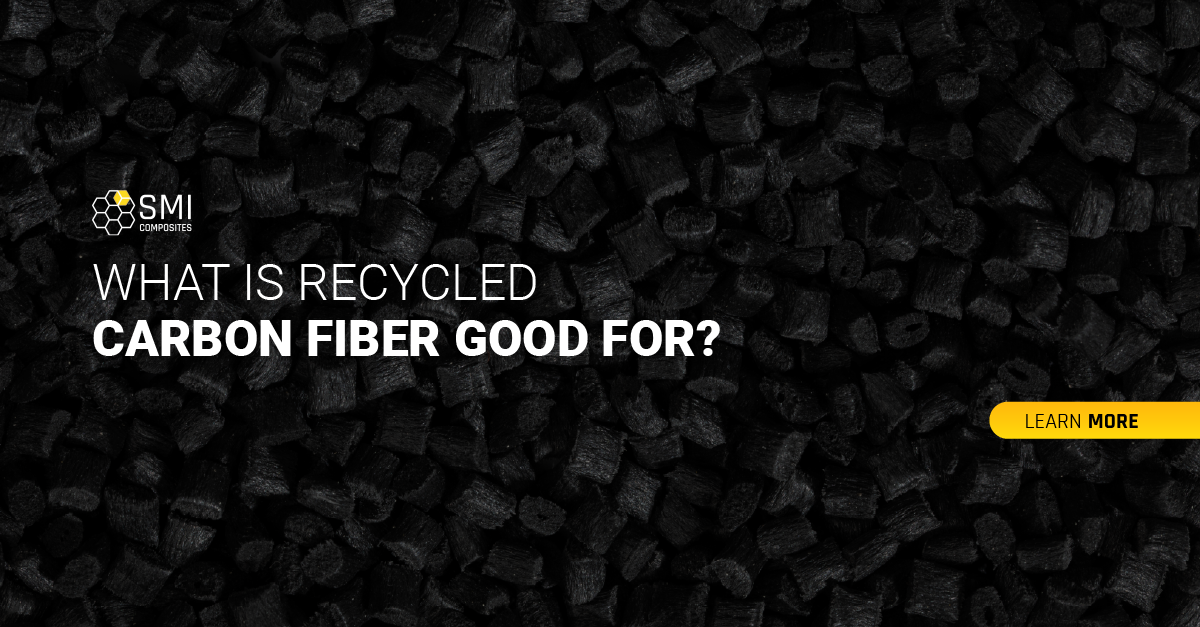
Recycled carbon fiber retains most of the strength and stiffness of virgin fiber, making it a practical structural material rather than a downgrade. It performs best in secondary applications like interior panels, brackets, and non-structural automotive components, where full virgin-grade certification is not required.
A report by Astute Analytica, shared by GlobeNewswire, reveals that nearly 30% of globally produced carbon fiber is wasted, with aerospace alone accounting for over 24,000 tons annually. That waste stream is fueling growth in carbon fiber reuse across automotive, sports, and industrial sectors.
What Makes Recycled Carbon Fiber Different From Virgin Fiber?
Recycled fiber loses some tensile strength during the recovery process, which typically involves pyrolysis or solvolysis. This makes it unsuitable for primary load-bearing aircraft structures, where every fiber must meet strict certification standards. That tradeoff is exactly why rCF fits secondary applications like:
- Chopped fiber for injection and compression molding
- Nonwoven mats for panels and covers
- Milled fiber for coatings and 3D printing filaments
Each format retains enough strength for its specific job while costing significantly less than virgin tow. This is where fiber reinforcement technologies built around recycled material actually outperform virgin fiber on value.
Where Recycled Carbon Fiber Performs Best
Automotive battery trays and underbody shields are among the clearest wins for rCF today. Chopped recycled fiber reduces part weight while still meeting crash resistance requirements. Sports equipment and medical devices that rely on this same combination include:
- Bicycle frames
- Protective gear
- Prosthetic and orthotic components
- Equipment housings and brackets
These applications require durability and lightweight properties, rather than aerospace-grade certification. That combination makes rCF a strong fit for sustainable composites across multiple industries.
What to Ask Before Specifying Recycled Carbon Fiber for Your Project
Before specifying rCF for a component, it helps to confirm a few things with your supplier, such as:
- Recycling method used: pyrolysis versus solvolysis
- Original source of the scrap material
- Available mechanical test data
- Batch-to-batch consistency
- Documentation backing eco-friendly composites claims
A supplier who can walk you through this data is one who understands how to engineer with rCF, not just supply it. At SMI Composites, we back every answer with the data and engineering expertise to prove it.
Sustainability and What Comes Next
Recycled carbon fiber directly addresses a real disposal problem, not a marketing one. Diverting composite scrap from landfills reduces both waste volume and the emissions tied to producing new virgin fiber.
Closed-loop partnerships between manufacturers and recyclers are accelerating this shift, recovering fiber from end-of-life aircraft and decommissioned wind turbine blades. As advanced materials recycling methods mature, expect rCF to move into higher-spec applications currently reserved for virgin fiber.
Turn Composite Waste Into Your Next Competitive Advantage
Recycled carbon fiber turns a growing waste problem into a genuine engineering advantage, delivering real performance without the cost or footprint of virgin fiber. The right supplier can help you turn that advantage into a finished part.
At SMI Composites, part of the Mayco Group, we offer complete solutions, including design, engineering, and custom tooling, for aerospace, defense, automotive, medical, and sports & recreation. We’re backed by ISO9001, AS9100D, and IATF 16949 certifications, and our commitment to quality earned us recognition as Supplier of the Year in 2021.
Reach out, and our team will help engineer your next composite solution.
