
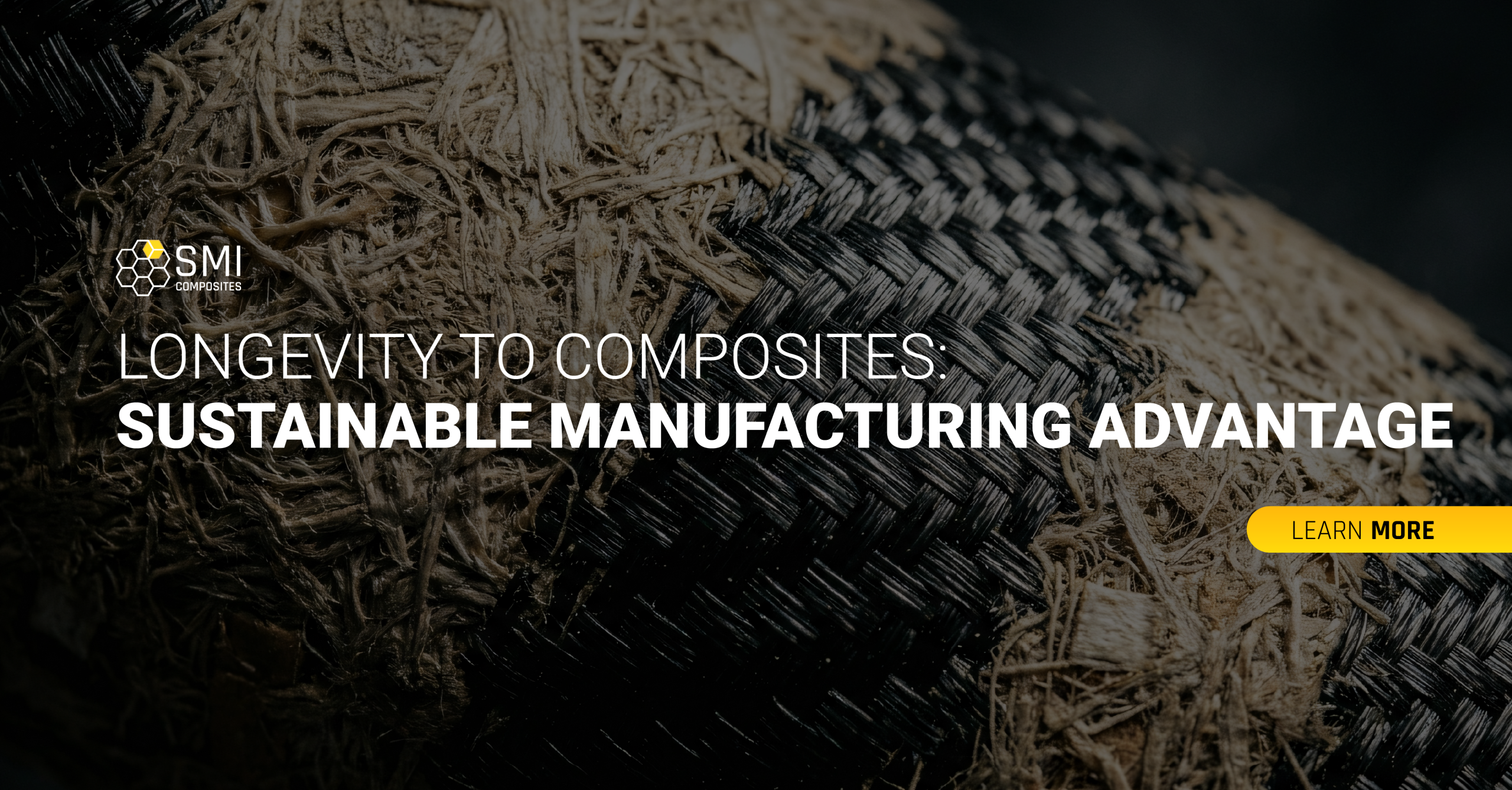
Composites are engineered materials made by combining two or more distinct constituents. Together, they often produce a material with better durability, corrosion resistance, and overall longevity.
Sustainable manufacturing utilizes composites due to their unique qualities that combine the best of everything included. Materials that last longer need to be replaced less often, and they contribute to reduced waste and increased efficiency. This benefits both the manufacturer and the customer.
Read on to learn more about composite lifespan and its influence on sustainability in production.
What Is the Main Advantage of Using Composites in Manufacturing?
The main advantages of composites depend on the type you use. Composites such as carbon fiber and fiberglass can withstand harsh environments and mechanical stress. That makes them ideal for a variety of applications, from aerospace to automotive industries.
The longevity of these composites translates into significant advantages for eco-friendly manufacturing:
- Reduced replacement costs
- Minimized waste
- Energy efficiency
Composites provide a unique combination that you can’t always get from their base materials. The benefits they provide make them an important choice in modern manufacturing.
Are Composites Environmentally Friendly?
Composites aren’t always eco-friendly materials by design, but they can support sustainability in certain ways.
First, the reduced need for material replacements helps decrease the carbon footprint of the manufacturing process. Less wastage means you consume fewer resources.
Moreover, composites are often more energy-efficient to produce. Green manufacturing practices help companies with operational savings and improve efficiency. By investing in these long-lasting products, businesses not only adhere to environmental standards but can also enhance their market position.
Applications of Advanced Composites
The applications for advanced composites are expansive. Some examples include:
- Aircraft components that benefit from strength and lightweight properties
- Car manufacturers utilize composites to enhance fuel efficiency and performance
- Boat hulls constructed from composites are durable and resistant to corrosion
As technology continues to advance, the range of applications will only expand. This versatility makes advanced composites a vital asset for companies striving to innovate while adhering to sustainable practices.
Sustainable Manufacturing Challenges and Solutions
Innovative composite solutions do come with their own set of challenges.
Common issues include the initial investment required for production equipment. You also need specialized knowledge in composite fabrication.
However, the return on investment often justifies these initial costs. As more companies embrace advanced composite manufacturing, resources and training are becoming more available. Collaboration with experts in the field can provide valuable insights and solutions for overcoming these initial hurdles.
Empowering Your Sustainable Journey
In embracing advanced composites, you are both adopting a new material and stepping into a future where sustainability is at the forefront. Materials that last longer leave less of an impact on the environment and help you save money in the long run. Your commitment also empowers greener initiatives that can reshape the landscape of manufacturing.
SMI Composites dedicates itself to offering the highest quality sustainable manufacturing for our customers. Our deep-rooted and far-reaching network allows us to work in multiple industry sectors, including Aerospace and Automotive. Reach out to let us know about your specific needs and to get a quote.
