
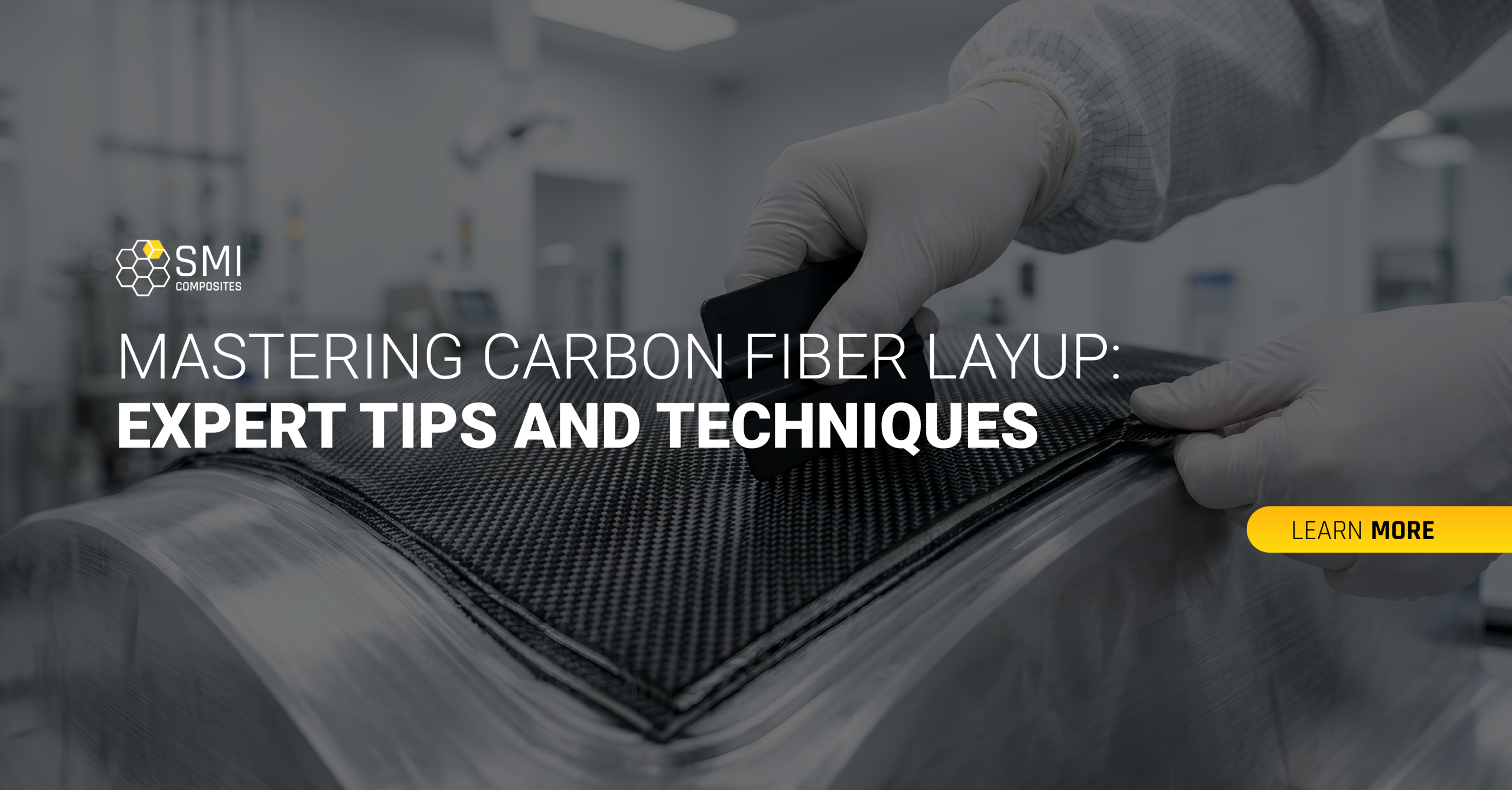
A high-quality carbon fiber layup depends on proper material selection, precise layering techniques, and controlled processing conditions. Attention to detail throughout the layup and curing process is essential to ensure strength, durability, and a smooth finish.
Have you ever wondered how professional composite manufacturers achieve the perfect carbon fiber layup? The quality of a carbon fiber layup not only affects the structural integrity of the final product but also influences its overall aesthetic appeal. With the right techniques and knowledge, anyone can master the art of carbon fiber layup.
Understanding Carbon Fiber Layup
Carbon fiber layup is a crucial technique in advanced composite manufacturing. This process involves layering sheets of carbon fiber fabric and resin to create a robust, lightweight material. The approach may vary depending on the desired outcome, but generally, precision and attention to detail are key to ensuring a high-quality finish.
The Importance of Layup Material Selection
Before diving into advanced layup techniques, it’s essential to choose the right materials. High-quality carbon fiber fabric and resin are fundamental to achieving excellent results. Always procure materials from reputable suppliers and be sure to check their specifications. Here are a few things to consider:
- Fabric Weight: Heavier fabrics may provide more strength but can be harder to manipulate.
- Resin Type: Different resins will offer varying levels of clarity, strength, and curing times.
- Tacky Cloth: This helps in improving peel-ply adhesion and clean-up.
Optimal Techniques for a Perfect Layup
Achieving a high-quality carbon fiber layup requires careful technique. Let’s discuss some composite layup tips:
1. Prepare the Mold
Ensure that your mold is clean and free from dust or oils. A well-prepared mold ensures better adhesion and a lower chance of imperfections.
2. Choose the Right Orientation
Layer the fibers in orientations that align with the expected load paths. This will significantly enhance the strength of the final composite.
3. Adopt Vacuum Bagging
Vacuum bagging not only helps to remove air bubbles but also ensures that the resin penetrates thoroughly. This results in a uniform final product.
Consideration for Finishing Touches
The finishing touches can make all the difference in achieving a high-quality result. After the layup has cured, sanding down rough edges and cleaning off any excess resin is crucial. For aesthetic purposes, consider applying a clear coat to enhance the visual appeal of the carbon fiber fabric.
Common Mistakes to Avoid
Even experienced composite makers can face challenges. Here are common pitfalls and how to avoid them:
- Ignoring the Temperature: Ensure your working environment is within the recommended temperature and humidity levels.
- Rushing the Process: Take your time with each layer to avoid mistakes.
- Neglecting Curing Times: Allow for adequate curing time before demolding to prevent structural weaknesses.
Your Partner in Composite Manufacturing
If you’re committed to the highest quality of advanced composite manufacturing, look no further than SMI Composites. Our unparalleled focus on design, delivery, and customer satisfaction ensures that we keep your needs at the forefront of everything we do. Backed by a collaborative approach, transparent communication, and deep technical expertise, we turn complex concepts into precision-engineered composite parts.
We are here to support you every step of the way in perfecting your skills and delivering outstanding results in your carbon fiber layup projects! Contact us today!
