
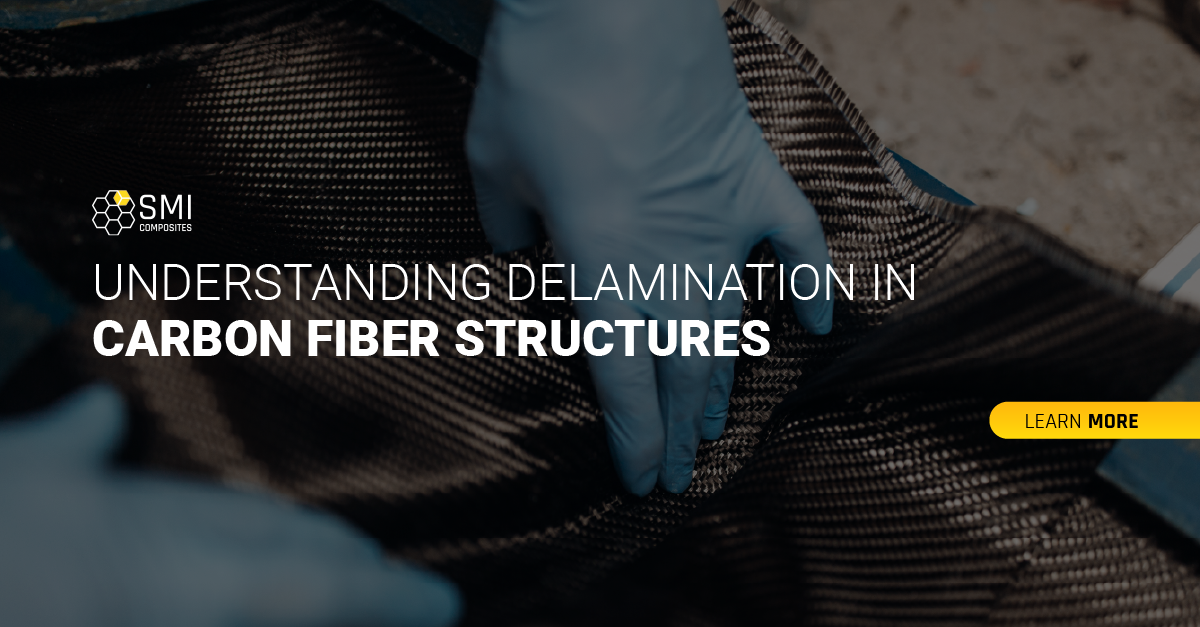
Carbon fiber delamination is the separation of layers within a composite material, which weakens structural integrity and can lead to reduced strength or failure. It is typically caused by poor bonding, moisture exposure, thermal stress, or mechanical impact. Preventing it requires high-quality materials, controlled processing, and proper maintenance practices.
Have you ever wondered how delamination in carbon fiber structures can affect your project? This phenomenon is a crucial concern in the realm of advanced composite manufacturing, especially given the increasing applications of carbon fiber in industries such as aerospace, automotive, and sports equipment.
Understanding how carbon fiber delamination arises and how to effectively mitigate it is vital for ensuring longevity and performance in carbon fiber applications.
What is Carbon Fiber Delamination?
Delamination refers to the separation of layers in a composite material, which can severely compromise the structural integrity of a product. In carbon fiber composites, this typically occurs when there is a failure at the interface between layers of carbon fiber and resin. This can lead to reduced mechanical strength, increased weight, and even catastrophic failure in some cases.
Causes of Delamination in Carbon Fiber Structures
The causes of delamination are varied and can include:
- Poor manufacturing processes that lead to inadequate bonding between layers
- Moisture ingress, which can weaken the adhesive properties of resins
- Thermal stress that results from varying temperature conditions, leading to expansion and contraction
- Mechanical impacts that can create cracks or initiate separation
Preventing Delamination
To mitigate the risk of delamination in carbon fiber structures, it’s important to:
- Invest in high-quality materials and resins that have proven adhesive properties
- Implement rigorous testing protocols during manufacturing to detect potential flaws
- Ensure careful layering and curing processes, paying close attention to environmental conditions
- Utilize effective maintenance strategies during the use of the composite structures
By focusing on these preventive measures, you can significantly enhance the durability of your carbon fiber products and maintain their performance across their intended applications.
Delamination Solutions When It Occurs
Despite best efforts, delamination can still occur. When it does, taking quick action is essential. This includes:
- Identifying the extent of the damage through inspections
- Deciding on the best repair methods, options can range from adhesive repairs to complete re-lamination
- Documenting the repair process for future reference and quality control
- Continuously monitoring the repaired area for any signs of future delamination
These actions can help restore carbon fiber integrity and maintain its performance objectives in the long run.
Seal Your Next Project with Confidence
Understanding carbon fiber delamination isn’t just an academic exercise; it’s essential for achieving successful outcomes in all your projects.
At SMI Composites, our team of experts continuously works to refine our manufacturing processes, ensuring that we mitigate risks associated with delamination in carbon fiber structures. By choosing us, you are ensuring that your products are made with the highest standards of quality and durability in mind. We prioritize quality in every layer we produce!
Reach out to us today to learn more about how our services can enhance your designs. Let’s work together to ensure your structures perform efficiently and reliably!
